
Right Mindfulness
IORT has an inclusive approach to integrating Western and Eastern approaches to support self-awareness, spontaneity and intimacy for mental health practitioners. Our vision is to enhance training and practice in India through committed emphasis on personal awareness, supervision and ongoing education. This requires dedication to build a supportive community of psychotherapists who are invested in expanding their own awareness and providing ethical and professional services to their clients.
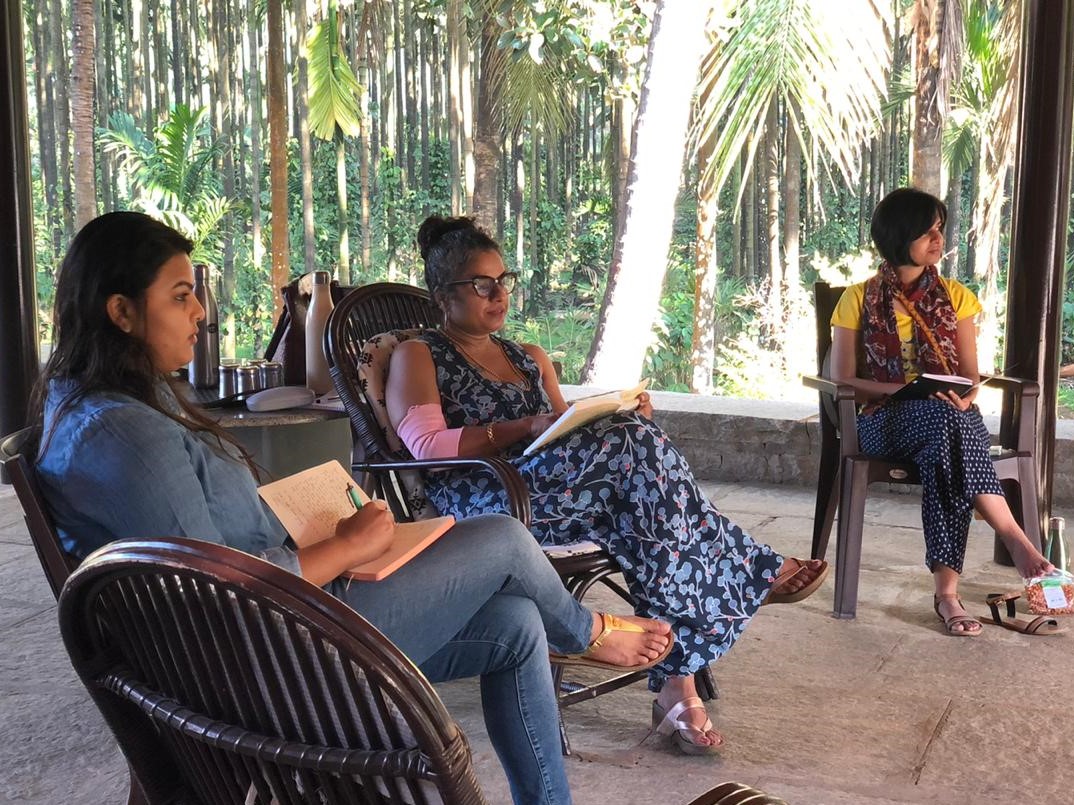
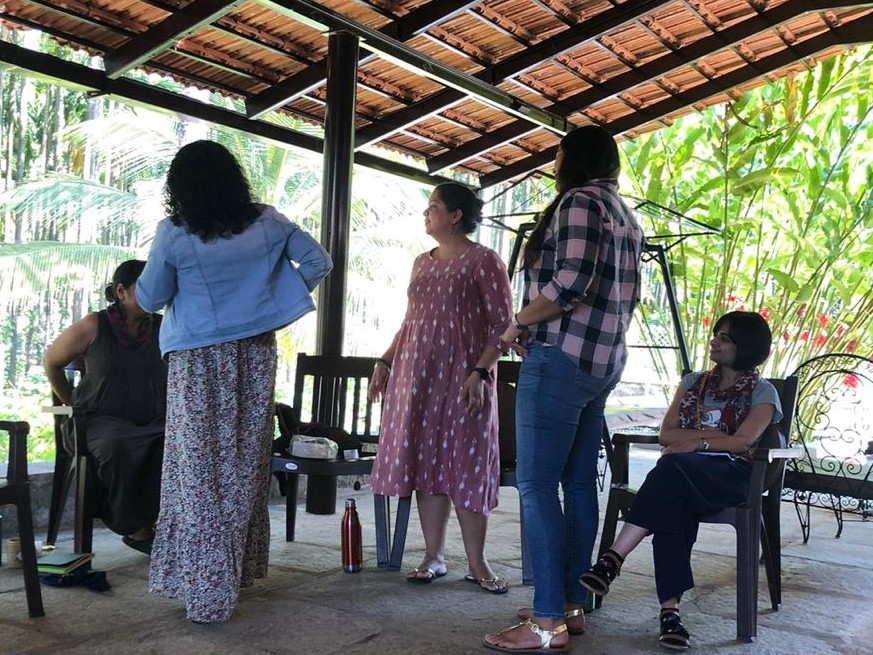
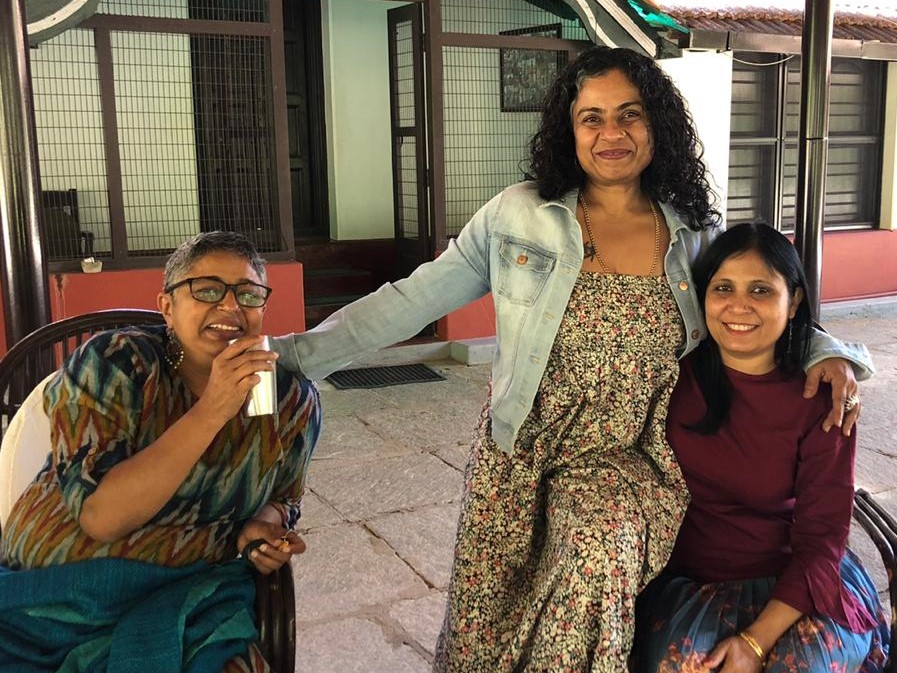
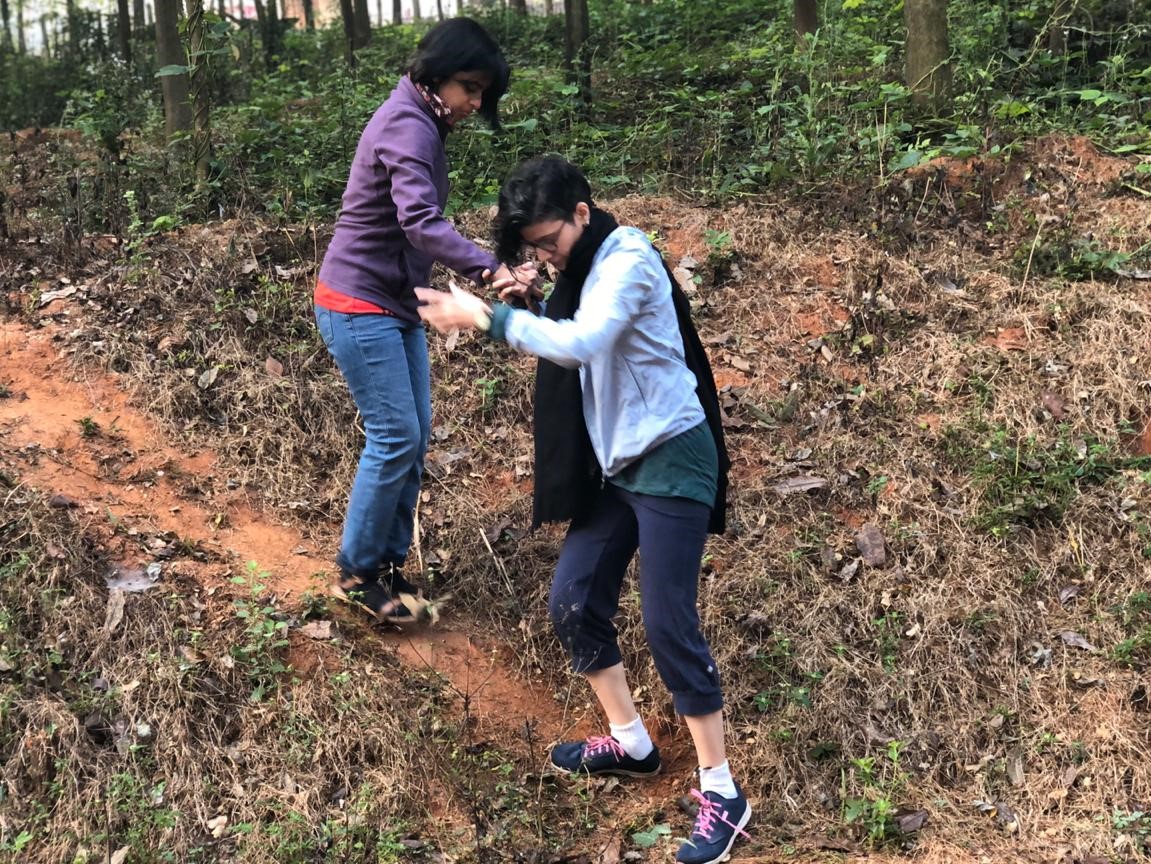
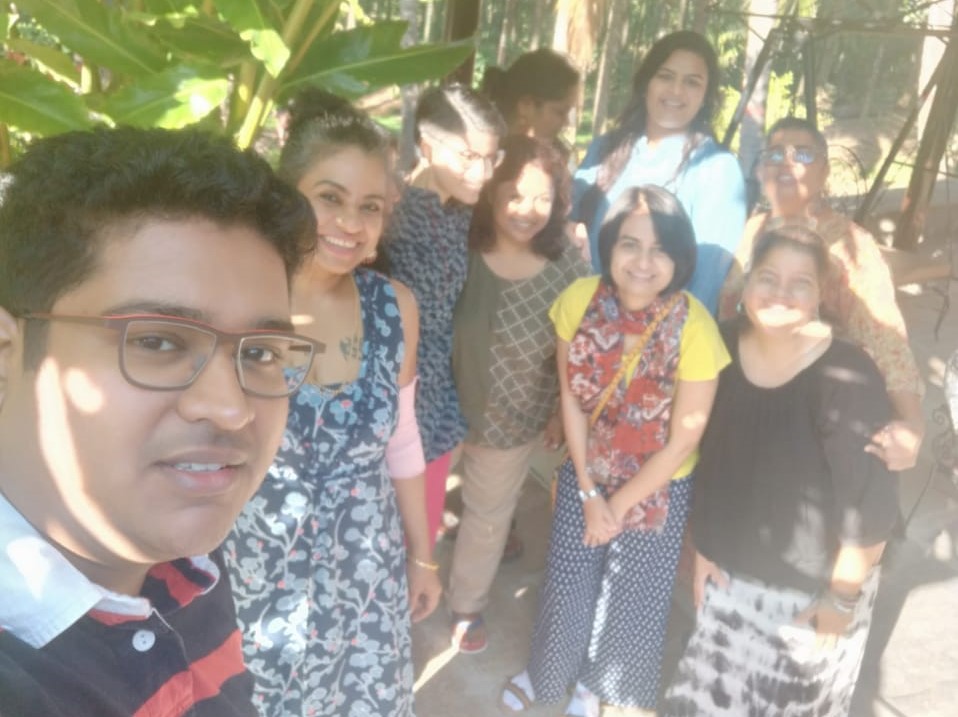
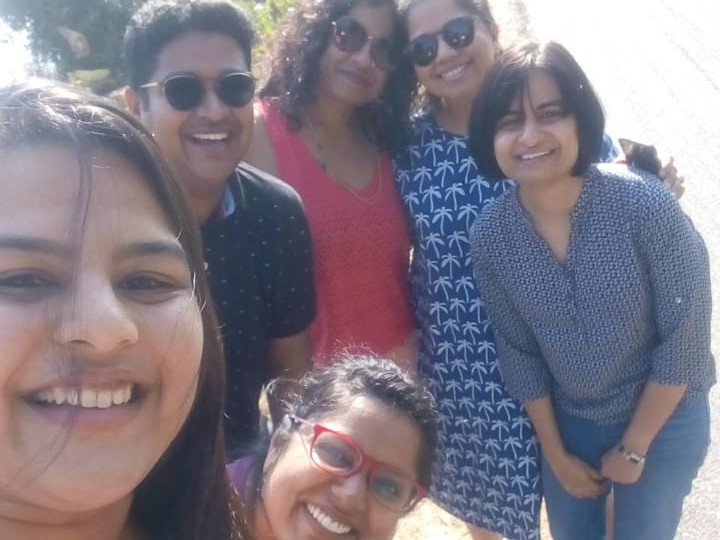
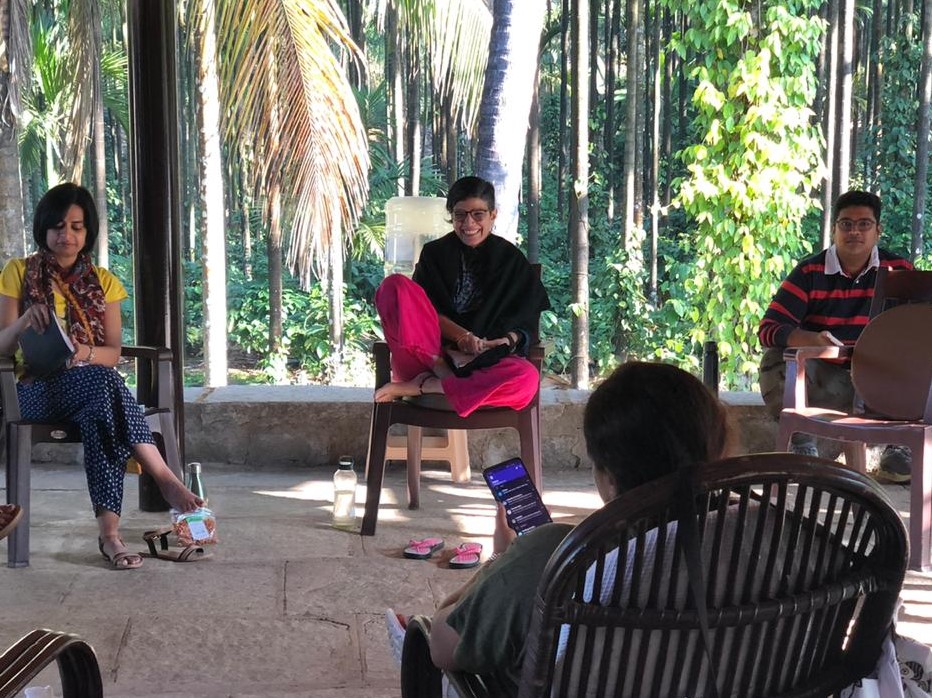
The residential retreat is intended to promote our vision. It is special in its design as it incorporates the principles of Sammasati (right mindfulness) and relational gestalt therapy to create a safe space for participants to enhance personal and professional development. Over time our retreat has emerged into a space of group sensitivity and learning about relationality through staying together and sharing as a community.
Our theme for the 2026 retreat is the Paradoxical Theory of Change – Mindfulness to be Present to Oneself.
Mental health professionals invested in personal and professional growth, and who are in ongoing individual therapy for themselves.
Program Objectives
Gain awareness into experiences that hold one back from realizing full potential
Engage with each other in compassionate ways to support the community
Learn ways of ‘healing and being’ that helps in advancing emotional, physical and spiritual health
Love, rage, grieve, play and live
Training Methodology
All IORT training programs are marked by an experiential and expressive art methodology to support the development of awareness, knowledge, skills and competency. The theoretical inputs are interspersed with experiments and activities that are integral to the practice of Gestalt Therapy to facilitate learning by doing. A deep immersion in theoretical knowledge is encouraged and supported through readings, papers and books related to the content of the training. Demonstrations by faculty, live supervision and case discussions will be held to develop skills and competencies in working relationally.
Paradoxical Theory of Change
Mindfulness to be Present to Oneself
Vision
The vision of IORT is to nurture the development of a community of relational therapists who are sensitive to the notion of being in relation to environment, self-awareness and pursuit of knowledge. The IORT residential retreat is aimed to foster this vision.
Over time our retreat has emerged into a space of group sensitivity and learning about relationality through shared sadness (did you know that the original meaning of this word was fullness/to be filled to the brim with the intensity of an experience?) and fun (this has no deeper or hidden meanings except what participants create on the go).

Structure
This will be an eight-day retreat starting on 19th January, from 2:00 p.m. to 6:00 p.m.
From 20 to 25 Jan, the retreat timings will be from 9:30 a.m. to 6:00 p.m. The sessions will include one hour of theory in the morning, followed by small groups focused on learning relational gestalt experientially through group work and practice.
Midway through the retreat, there will be a one-day break. On 26th Jan, the retreat will wind up post breakfast
Eligibility
IORT trainees and graduates. We are opening this retreat to other mental health professionals for the first time, and we welcome you to our group.
Dates
19 – 26 January 2026.
This retreat will be of eight days duration with a full day break in between the retreat.
Frame
In the theory section, the whole group will be together, and the group therapy and practice will be conducted in two separate groups. This will be facilitated by Guy Pierre and Vanaja.
Certification and Credits
This retreat will be certified by IORT and the visiting faculty. IORT is the pioneer of Relational Gestalt Therapy in India. Participants who have registered for MLCU-IORT PhD Scientist-Practitioner can use these hours towards their credits.
Fee, Registration
Fees
INR 40000/- for facilitation, exclusive of GST.
Registration
Please confirm participation by the end of July 2025. The invoice for the deposit of INR 10,000/- will be sent out by the first week of August 2025. 50% of the deposit is refundable if cancelled by October 2025. The venue cancellation cost will be borne by the participant. The full fee can be remitted by December 2025. The venue and travel cost will be charged separately. The cost of the venue is INR 4,000/- per night, inclusive of all meals for twin sharing. Payment can be made directly to the venue in cash
Venue
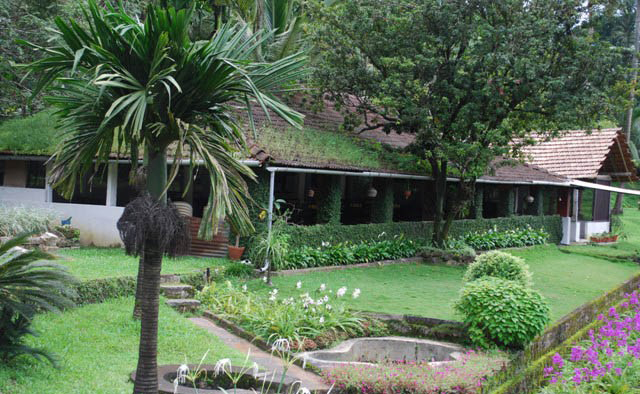
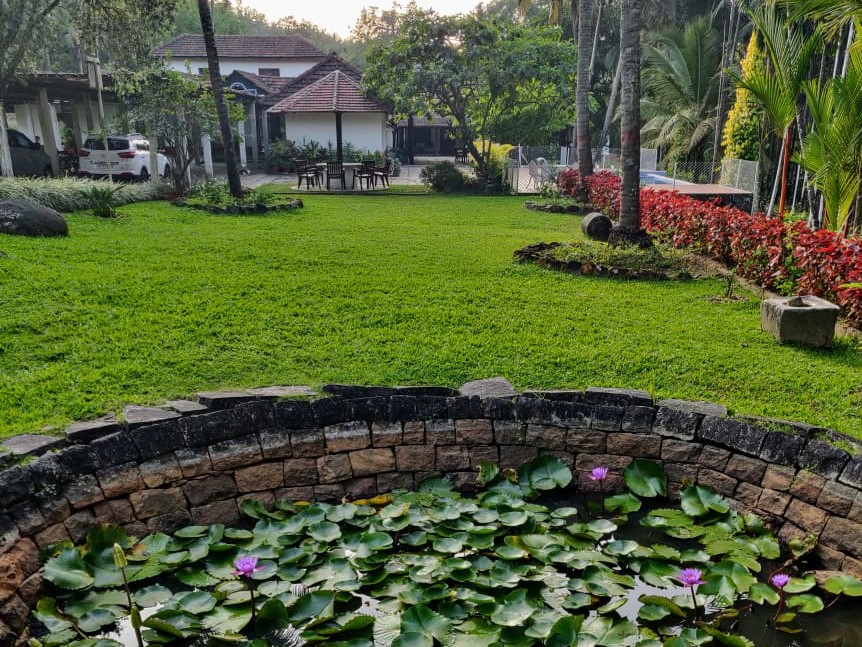
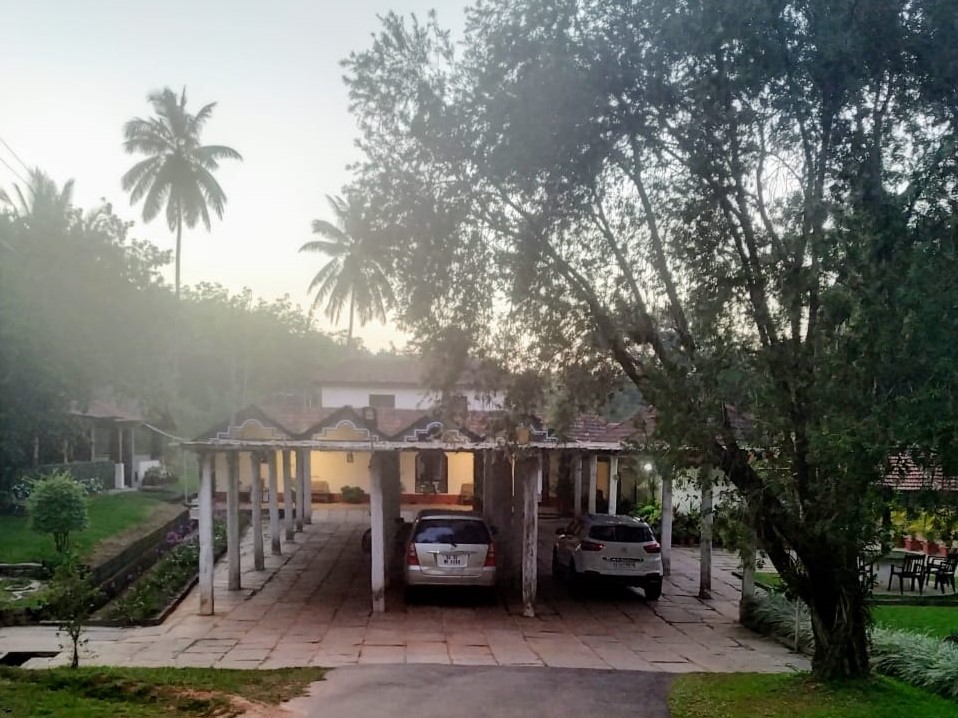
Heritage Home, Kolavara, Shimoga, Bangalore, India.
Kolavara Heritage Homestay is an old antique house, rich in traditional architecture. Malnad cuisine, mountain views and areca plantation keep you company as you experience and unwind into the quiet of mother nature.
Facilitators

Christine Campbell
Trainer, Supervisor
Christine, M.F.T., is a licensed therapist and certified teacher of Gestalt who has trained and supervised therapists and associates in the United States and internationally. She has served as a core faculty member of the Pacific Gestalt Institute for over a decade and is the current faculty chair. She is a contributing author of the academic anthology ‘The Relational Heart of Gestalt Therapy’
(Routledge 2022).
Christine began her training with the Gestalt Therapy Institute of Los Angeles (GTILA) in 1990. For many years, she served as an art therapist and as the clinical and administrative director of a number of partial hospitalization and intensive outpatient mental health centers. She is a former clinical supervisor at the Southern California Counseling Center, and a past-president of GTILA. Christine is currently in private practice in Los Angeles, where she works with individuals, couples, and groups using a Relational Gestalt Therapy approach. She specialises in grief and traumatic
process in therapy.

Vanaja Ammanath
Trainer, Supervisor
Vanaja is a relational gestalt therapist, teacher, and supervisor. She is a pioneer of relational gestalt therapy training, and a scientist-practitioner based PhD program in India. She has worked as a guest faculty and a group therapist, and has experience in working with diverse communities that spans different cultures. Her book ‘Relational Gestalt Therapy in India: Practice with Groups’, has been published by Routledge and is well-received by the international community of Gestalt therapists. She has been a yoga practitioner for thirty-eight years and is dedicated to her professional and personal development through personal therapy, supervision, and ongoing education.